Upgrade Your Living Area: Vital Details Regarding Home Renovation Work for All Property Owners
Residents commonly search for ways to improve their homes via professional remodeling. Such undertakings may vary from small kitchen fixes to entire residential overhauls. Being aware of the possibilities is essential for choosing intelligently. Additionally, there are tangible aspects including financial planning and selecting the professional contractor. As homeowners commence on this journey, they might encounter surprising obstacles. The key to a successful transformation lies in careful planning and implementation. What steps should be taken next?
Understanding the Different Types of House Improvement Projects
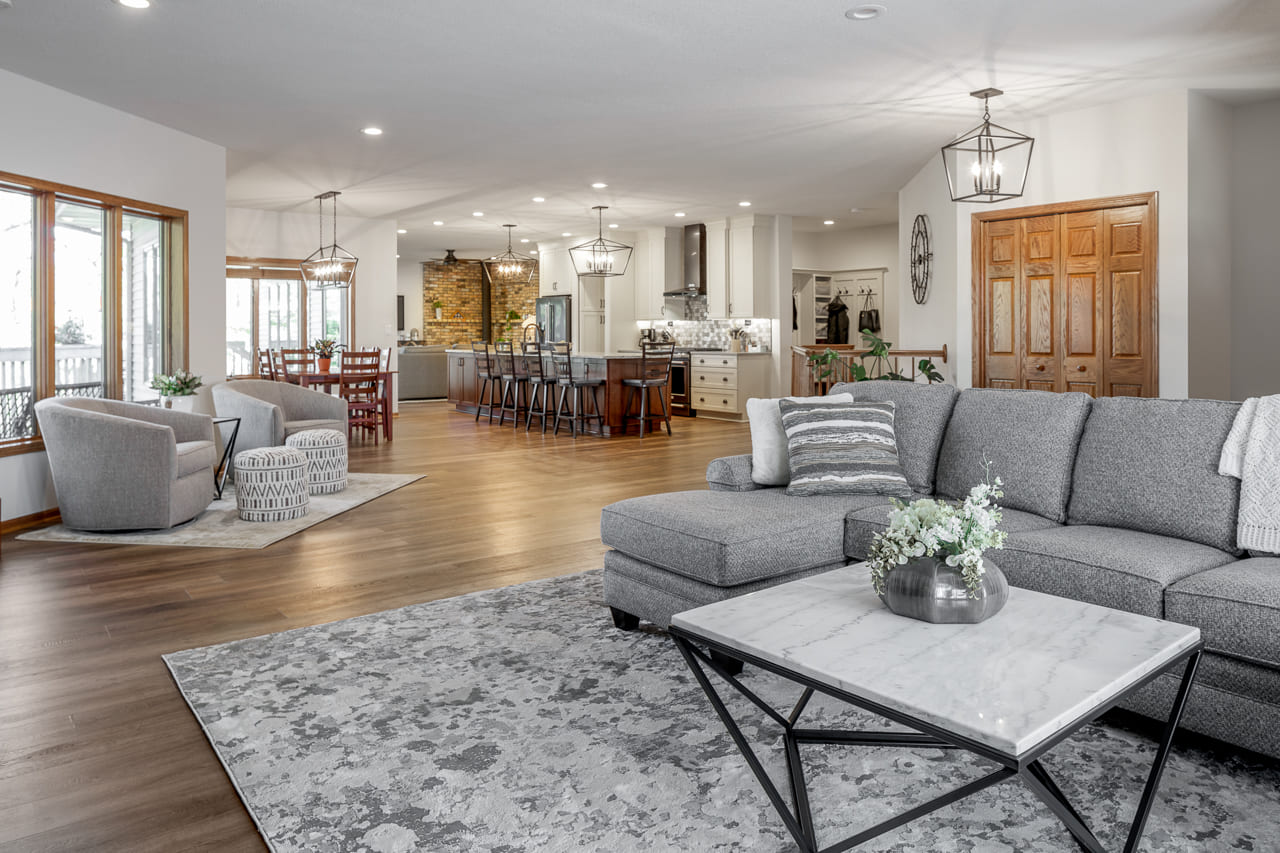
When property owners think about upgrading their living spaces, they typically find many different types of services tailored to different needs and preferences. These options can be widely classified into a few distinct groups, each addressing specific aspects of home improvement. Renovating the kitchen involves updating appliances, cabinetry, and the design to enhance functionality and visual appeal. Bathroom remodeling typically involves updating the hardware, tiles, and storage solutions for greater ease and visual flair.
Full-house renovation covers extensive modifications to the entire house, frequently involving changing the structure to make the most of the space and flow. Exterior remodeling services, conversely, concentrate on enhancing the property's street view, dealing with the cladding, roofing, and the garden design. Additionally, specialized services including converting the cellar and attic conversions allow homeowners to maximize neglected parts of the home. Each type of remodeling service provides distinct advantages, allowing property owners to select choices that align with their vision for their home life. Grasping these differences is essential when deciding intelligently during the renovation process.
Setting a Realistic Budget for Your Renovation Undertaking
What steps ensure their remodeling projects remain economically sound? Developing an achievable budget is essential. Homeowners should begin by determining their fiscal limits, including savings and potential financing options. This preliminary action will help determine how much can be allocated for the remodel without compromising other financial responsibilities.
Next, homeowners must investigate the expenses linked to their planned updates, including materials, labor, and surprise expenses that tend to crop up. Developing a comprehensive priority list aids in identifying must-haves versus nice-to-haves, enabling modifications if the finances are strained.
It is smart to incorporate a reserve fund, typically around 10-20% of the total budget, to handle unforeseen expenses. Periodically examining and tweaking the budget throughout the remodeling process can further assist in keeping finances in check. Finally, a thoroughly prepared budget does more than just confirm the project can be done but also enhances the overall remodeling experience for homeowners.
Choosing the Right Contractor for Your Needs.
Finding a suitable builder can greatly impact the success of a remodeling project. It is recommended that homeowners start by conducting thorough research, seeking recommendations from friends, family, or online reviews. It is essential to confirm documentation, such as licenses, insurance, and surety bonds, to establish credibility.
Once potential contractors are identified, property owners must ask for comprehensive quotes and schedules, facilitating well-grounded side-by-side evaluations. Meeting with them offers a look at their manner of communicating and their professional conduct, which are essential for a collaborative process.
In addition, looking at completed jobs through galleries or recommendations demonstrates discussion the professional's skill level. Property owners must also ask about guarantees or assurances, which shows the professional's belief in their output.
Ultimately, selecting a contractor who aligns with the homeowner’s vision, budget, and timeline creates a better renovation journey, guaranteeing that the project meets expectations and transforms the living space effectively.
Planning and Designing The Space You Envision.
When property owners picture their perfect areas, careful planning and thoughtful design become essential components of a successful remodeling project. The beginning stage requires reviewing existing necessities and future desires, to gain a complete comprehension of the area's utility. Owners must take into account functionality, visual appeal, and their individual taste, to guarantee the design showcases their unique preferences.
Following this, establishing a thorough budget is crucial. This budget should account for supplies, workforce costs, and possible unexpected costs. Hiring professional designers can provide valuable insights, helping to optimize the space while sticking to budgetary constraints.
Integrating components like ample daylight, spacious designs, and eco-friendly supplies can enhance the overall experience. In conclusion, seeing the project via sketches or digital renderings can assist in finalizing plans before implementation. When handling the initial design phase deliberately, homeowners can build a comfortable, effective space customized for their needs.
Navigating Permits and Regulations in Residential Projects
Understanding the complexities of permits and regulations can be challenging for homeowners starting on a remodeling project. Every city or county maintains distinct regulations that dictate what is permissible during renovations, typically guided by zoning laws, building codes, and security requirements. Owners need to acquaint themselves with local regulations so they don't incur hefty fees or project delays.
Generally, securing permits is essential for substantial modifications, such as structural changes or electrical work. This process usually necessitates providing designs for examination and could involve check-ups at various stages.
Engaging a knowledgeable contractor can simplify this process, as they are usually well-versed in local regulations and can help manage the documentation. Homeowners should also keep communication open with the city's regulatory body to verify legality throughout the project. By grasping and navigating these regulations, homeowners can achieve their remodeling goals while ensuring safety and legality in their renovations.
Common Queries
How Long Does a Typical Home Remodeling Project Take?

A typical home remodeling project usually takes between three to six months, depending on the scope of work, scale of the house, and material lead times. Complex projects may require additional time for completion.
What are common mistakes you should steer clear of during remodeling?
Frequent errors in the remodeling process are things like miscalculating costs, not securing the required permissions, missing scheduled deadlines, poor communication with the construction team, and not considering long-term functionality. Understanding these dangers often results in a more efficient, more successful renovation project.
What's the best way to select the right materials for my project?
Choosing the right materials means considering their resilience, visual appeal, and financial limits. Looking into different products, consulting professionals, and factoring in how much care they require will significantly help in making informed decisions, ensuring the project aligns your functional and aesthetic goals.
Will I be able to reside in my property while the remodeling is happening?
Yes, one can live in the house while work is ongoing, but it could be uncomfortable. Thorough preparation, clear communication with contractors, and creating defined spaces for daily use can lessen the stress throughout the project.
What warranties should I expect from the renovation company?
Homeowners should expect warranties covering workmanship, the supplies used, and structural components, which usually last between one to ten years. It is essential to examine specific terms and conditions alongside your builders to understand coverage and limitations fully.